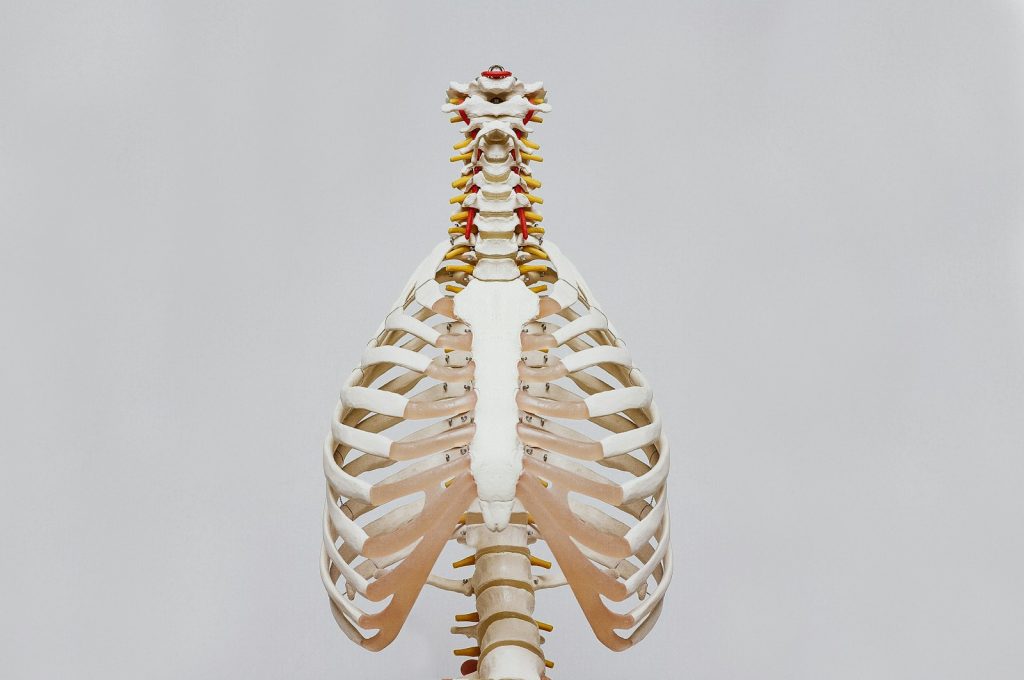

That nagging headache that hits around 3 PM often feels like a tight band around your head, usually appearing on your busiest days. According to HSE, 964,000 employees experienced stress, depression, or anxiety caused or worsened by their job in 2024-25. This stress doesn’t just affect your mind; it causes your neck, scalp, and jaw muscles to tighten, directly triggering physical pain. These tension headaches often stem from a combination of poor sleep, dehydration, and excessive screen time, but because they tend to build gradually, you have a vital window to intervene.
Stress does not just affect your mind; it often manifests physically as a tight jaw, tense shoulders, or even skipped meals, and this tension directly triggers painful headaches. Fortunately, making small changes to your sleeping routine, hydration, posture, and breathing can help break this cycle.
At A Touch of Wellness, we help you discover personalised wellness plans and herbal solutions designed to enhance your life through expert guidance.
Holistic Ways to Deal with Headaches and Stress
Here are the seven holistic ways to deal with headaches and stress:
Stay Hydrated to Avoid Headaches
If you don’t drink enough water, you can get a headache within a few hours. Having a third cup of coffee can make this worse. Try to keep a water bottle next to your laptop and refill it whenever you make coffee or tea. Eating foods with a lot of water, like cucumber, oranges, or soup, can also help.
Maintain a Steady Sleep Schedule
Getting sleep in bits and pieces at different times can make you more sensitive to pain the next morning. Try to go to bed and wake up around the same time every day, even on weekends. Turn down the lights an hour before you go to sleep, ensure your room is cool, and charge your phone outside the bedroom.
Relieve Neck and Shoulder Tension
If you’re dealing with tension headaches, you might notice that your neck feels tight. To help ease this tension, taking a warm shower can be soothing, and doing some gentle shoulder rolls can relax the muscles.
If you spend a lot of time sitting at a desk, you can also try a simple exercise called chin tucks. Just tuck your chin in slightly and hold for 5 seconds, then repeat this ten times. This can help relieve some of the discomfort you’re feeling.
Improve Your Desk Posture
When you use a laptop, your head tends to lean forward, and your neck has to support that extra weight for a long time. To avoid this, try to position your screen so it’s at eye level. Keep your feet flat on the floor and keep your elbows bent at a 90-degree angle. Stand up for a bit every hour, even if it’s to make a cup of coffee.
Take Regular Screen Breaks
Staring at spreadsheets for a long time can make your eyes tired, and this tiredness can spread to your forehead. Try to look at something across the room for 20 seconds every 20 minutes. Also, make sure your screen brightness matches the room’s light and don’t forget to blink normally.
Practice Slow Breathing Exercises
Breathing shallowly can make your body tense, as if expecting danger that isn’t there. Try this: breathe in through your nose for a count of four, and then breathe out for a count of six. Do this for two minutes. You could try it on your commute home, before a difficult phone call, or while you’re waiting for your pasta to cook.
To see how this works, follow this guide that demonstrates rhythmic breathing to help settle tension.
When to Seek Medical Advice
These habits can help, but they won’t completely rid you of migraines. A 2026 Migraine Trust report found that about 10 million people in the UK have migraines, and many need medical assistance instead of simply changing their lifestyle. If your headaches become more frequent, severe, or even unusual, or if they come with vision changes, weakness, or a stiff neck, talk to your doctor.
If your headaches haven’t improved after physical therapy, medication, or even years of taking painkillers, a specialist can seek other possible causes beyond just your head. The team at Neuromuscular Clinic assesses how the nerves, muscles and balance system work together, then explain what those findings mean in plain terms. Knowing this will help you decide what to try next.
Final Thoughts on Managing Stress and Headaches
Headaches usually have multiple causes, and stress often worsens them. Simple habits such as drinking water, getting sufficient sleep, relaxing your shoulders, improving your posture, taking regular screen breaks, and breathing deeply can ease the pressure.
Try focusing on one of these habits this week and notice if your headaches improve by Friday. If the pain continues, it’s a good idea to have it checked out by a doctor. If you’re looking for expert advice, contact us at A Touch of Wellness. Our team is here to assist you with personalised support every step of the way.